Transforming operations with intelligent, human-centric innovation
Industrial sectors worldwide are navigating rising energy costs, supply chain disruptions, and workforce shortages. The shift toward Industry 5.0—where intelligent automation complements human expertise—is redefining how businesses build resilience and scale sustainably. This is where AI steps in: enabling smarter decisions, streamlined operations, and empowered teams.
Once you have data about what’s happening in field operations, you can really start optimizing those operations. Some of this is fairly obvious. If you did a ride-along with every driver, you’d ask questions like, “Why are you taking that route?” or “Can we make the start-of-day and end-of-day processes faster?” It’s only when you can see it at scale that you realize how much operational-efficiency potential there is, and that happens in different companies in different ways. – Sanjit Biswas. CEO, Samsara
What Intelligent Optimization Looks Like
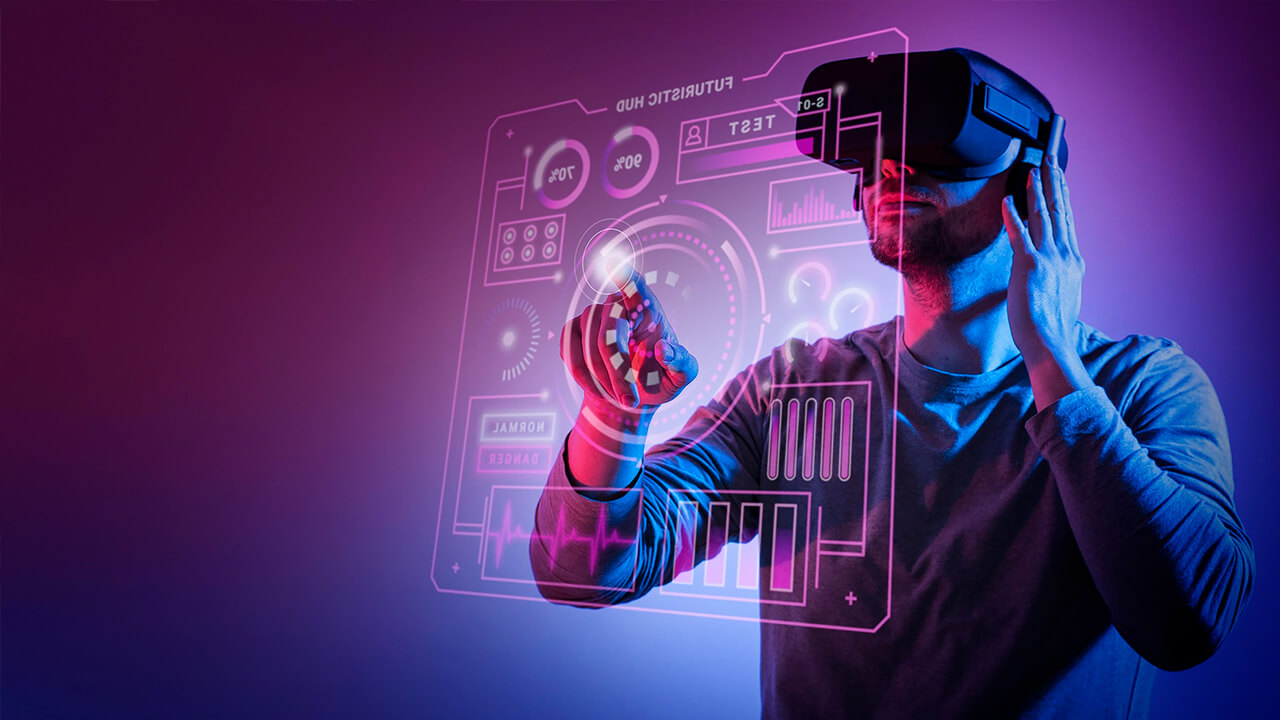
Smart Energy Management: Leverage real-time analytics to reduce consumption, forecast pricing, and optimize energy usage across facilities. Predictive Procurement: Use AI-driven forecasting to secure favorable contracts, manage volatility, and stabilize operational costs. Resilient Supply Chains: Anticipate disruptions, optimize logistics, and enhance visibility with predictive insights and intelligent orchestration. Augmented Workforce Productivity: Equip teams with AR/VR tools, digital twins, and contextual data to accelerate training, improve efficiency, and close skill gaps.
Strategic Benefits
Lower operational and energy costs
Enhanced supply chain agility and transparency
Improved workforce performance and adaptability
Future-proof compliance and sustainability
Stronger competitive positioning in global markets
Industry 5.0 isn’t just a concept—it’s a strategic evolution. By integrating AI with human-centric design, organizations can unlock scalable growth and operational excellence.

 Eminent Space